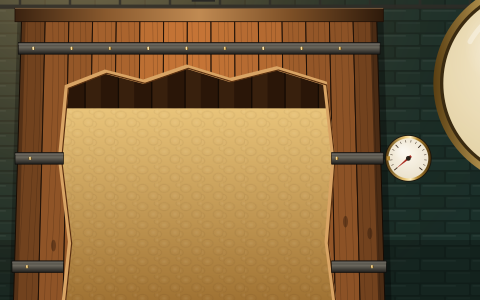
1FermentationThe Wash
Yeast turns sugar into alcohol and gas. Where the sugar comes from: malted barley, corn, grapes, cane, agave.
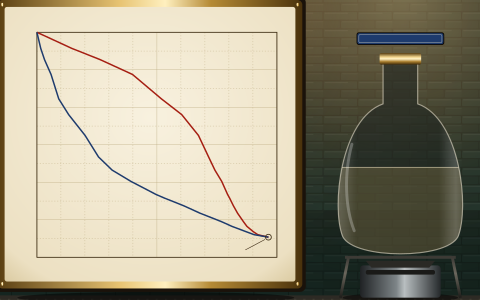
2Vapour & liquidWhy Spirit Rises First
Alcohol and water boil together, but the vapour is always richer in alcohol. Drag a mixture across the boiling curve.
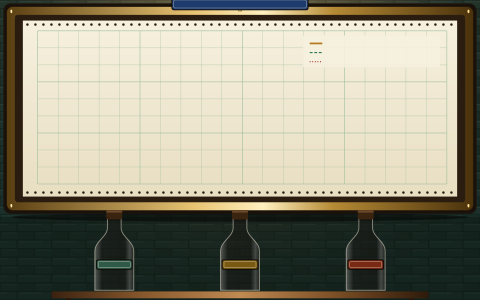
3The cutHeads, Hearts & Tails
What comes over first, what comes last, and why the first drops are thrown away. Plus the truth about methanol.
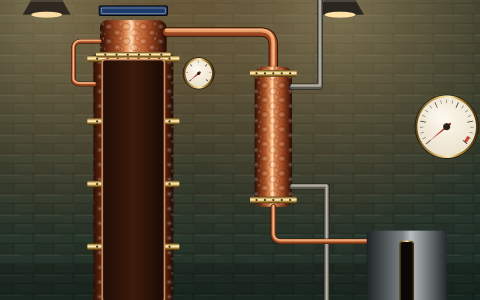
4Plates & refluxThe Column
Stack the boil-and-condense step on plates and a still runs forever and reaches 95%. Add plates, change the reflux.
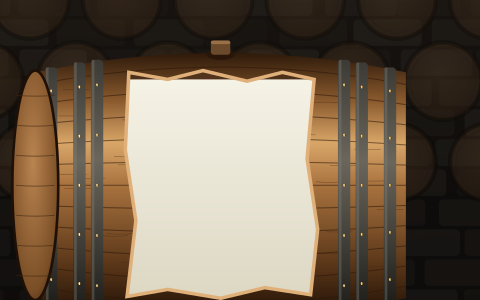
5Oak, char & timeThe Cask
A clear spirit goes into charred oak and comes out amber and smaller. Age a cask in three climates.
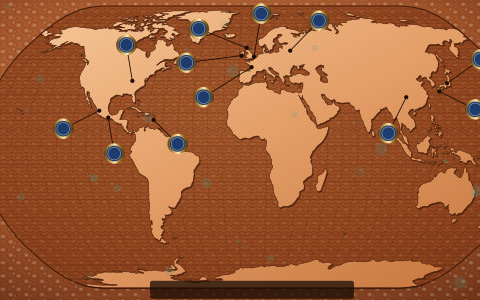
6Styles on a mapA World of Spirits
Twelve spirits, a dozen raw materials and stills: from Scotch to baijiu, tequila to shochu.
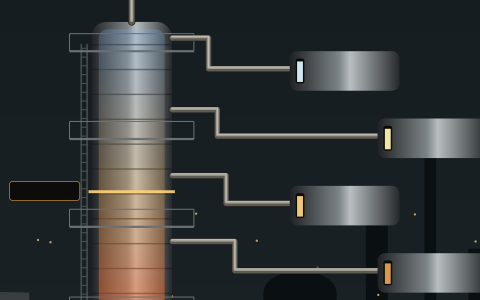
7Same trick, other tradesBeyond the Glass
Rose oil, liquid air and crude oil: the same separation by boiling point runs half of industry.